Velvet Path catalog
TransRussia Summit 2026: logistics and supply chains
According to the official programme, TransRussia Summit 2026 was scheduled in Moscow for 19–21 October, with a reception listed for the 19th and logistics sessions for the 20th and 21st.
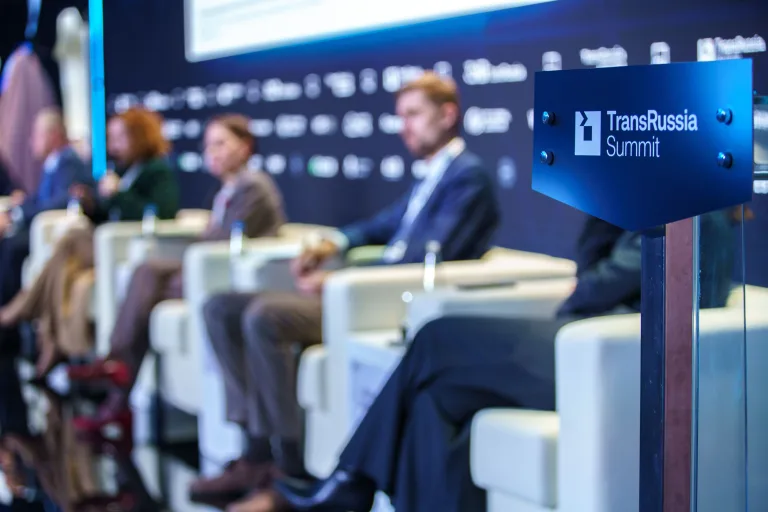
About the event
According to the official programme, TransRussia Summit 2026 was scheduled in Moscow for 19–21 October. The main business sessions listed for 20 and 21 October were plenary and panel discussions on transport and logistics services, freight and supply chains. Hyatt Regency Petrovsky Park, 36 Leningradsky Prospekt, Building 33, Moscow, was named as the principal venue. ITE Group organises the summit, which is held under the TransRussia exhibition umbrella. Its audience is senior logistics managers at cargo-owning companies and transport and logistics operators, analysts and industry experts. The programme connects cargo owners’ strategic view of freight with the day-to-day operations of logistics companies.
A separate item was the “Night Before the Start” VIP reception scheduled for 19 October at VDNH Pavilion 34, the Cosmonautics and Aviation Centre. The official programme listed it from 16:00 to 20:00 and limited access to Business and VIP delegates and speakers. The planned evening included a curator-led museum tour, a buffet and conversation among sector participants. It was separate from the main business programme: its venue was VDNH, not the Hyatt Regency site planned for sessions on 20–21 October. The checked material did not give a street address for the pavilion, so visitors planning travel needed to use the VDNH and Pavilion 34 designation rather than substitute the Hyatt address.
The first main day, 20 October, was planned to open with a plenary analytical session on the shape of the logistics sector: 2026 outcomes and forecasts for 2027. Its listed subjects included how macroeconomic changes affect logistics chains, capacity and growth potential across key directions and transport modes, and regulatory and digital factors affecting operations. A following plenary focused on logistics’ strategic role in the business of major cargo owners: meeting business plans and service-level agreements, freight constraints and challenges, efficiency improvements, and changing requirements for partners in execution, accountability and daily interaction. The sequence linked a market and route outlook with decisions inside cargo-owning companies.
A panel on “Digital Logistics: Control, Accountability, Disruptions” was also listed for 20 October. Its planned topics included moving electronic transport documents from pilot projects into operational use, practical difficulties in digitalising logistics, and how cargo owners, carriers and digital platforms share responsibility for errors or mismatches. The programme also named the effect of digital and AI tools on supply-chain control and reducing manual management, as well as digitalisation decisions companies had abandoned. This is an operational view of technology: not only adopting a document or tool, but also handling process control, disruptions and accountability. The schedule placed a break, a business-connection workshop and an evening gathering after the panel.
The second main day, 21 October, was planned around retail and e-commerce scalability, warehouse strategy and resilient imports. A panel on logistics as a factor in retail and e-commerce growth asked how sales and assortment growth affect operational resilience; where service commitments may be adjusted; how to manage cost-to-serve and unit economics as costs rise; and how to balance logistics resilience with customer experience. These topics speak to companies weighing the pace of commercial expansion against costs and the capacity of transport and service partners.
The next panel was titled “Warehouse Strategy 2027: Growth, Control and Investment.” The published plan listed warehouse infrastructure’s role in meeting service-level agreements and supporting resilient supply chains, warehouse models under growing volumes, balancing control, flexibility and investment, automation, and whether a warehouse supports business resilience or ties up capital. The final industry panel, “Import in the New Reality: Manageable and Resilient Supply,” addressed instability in import logistics, moving from one-off routes to scenario management, errors and solutions in transport, logistics partners’ role in import-risk planning, and effects on warehouses, production and product availability. The second day therefore connected infrastructure and commercial choices with the management of external supply risks.
The timetable also listed a special address on leadership under uncertainty, covering planning, trust and partnership, protecting key resources during disruptions, working with teams, priorities and stakeholders. Business-connection formats were included too, such as evening gatherings and a professional networking workshop. They complemented the sessions but were distinct from the subject-specific programme. Visitors could compare their interest in market forecasts, digital documents, retail, warehousing or imports with the two-day schedule of the main programme.
The official programme listed session times and formats as the summit schedule, and the organiser noted that the programme could change. This description covers the planned formats and topics of TransRussia Summit 2026; it does not confirm that the sessions or VIP reception took place. The main business sessions were assigned to Hyatt Regency Petrovsky Park, while the 19 October reception was a separate VDNH component; the address of one venue should not be used for the other.
Venues and halls

Getting there

Hyatt Regency Petrovsky Park
Moscow · Russia
The address is listed on the venue page.

Event participants

Participant information is not available yet.
Topics and calendar
 Calendar
| Selection | Month | Year |
|---|---|---|
 Russia | October 2026 | 2026 |
| Moscow | October 2026 | 2026 |
 Logistics and supply chain | October 2026 | 2026 |
 Conferences | 2026 |